Instagram QR Codes as a Next‑Gen Marketing Tool in 2026
This blog post explores the topic of Instagram QR codes, which in 2026 have become more than just a pandemic gimmick; they are now dynamic and measurable links that can lead to different destinations such as Instagram profiles, posts, reels, or DMs. It provides various practical use cases, retail shelf activations, pop-ups, packaging, out-of-home ads, and creator collaborations, as well as the scan flow, redirects, UTM tagging, and attribution. The writer shares design and UX tips, tracking and KPI guidance, common mistakes to avoid, scaling advice, and short campaign examples.
The goal is to equip marketers with the knowledge to plan, test, and measure QR-driven campaigns that bring followers, messages, and sales through them.
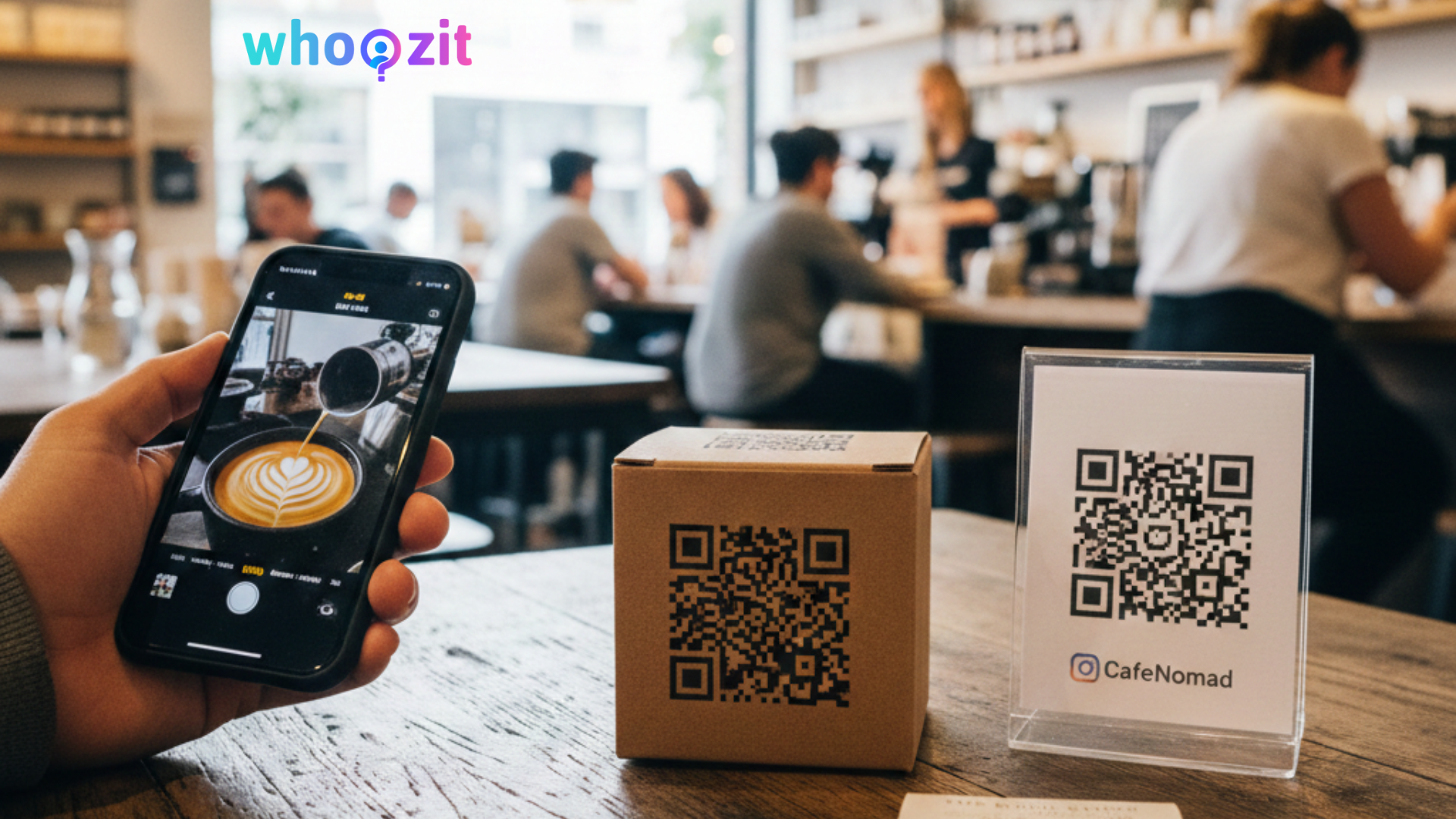
Do you remember when QR codes seemed to be just another gimmick only related to the pandemic? They have evolved very rapidly. In 2026, Instagram QR codes will be a genuine and physical method to redirect people from the real world to your brand's Instagram profile.
Suppose you are a digital marketing manager, a social media lead, a D2C founder, or a growth person. In that case, this article will explain to you how they work, why they are important, and how you can use them without sounding like a salesperson.
I have implemented QR, driven campaigns for pop-ups, retail partners, and offline events. When they are used efficiently, QR codes lower the barrier to entry and increase brand exposure. On the other hand, if they are not used properly, they will be neglected and unused. This e-book supports you in avoiding the typical errors and making QR code marketing result in gaining real followers, getting more store visits, and increasing conversions.
What is an Instagram QR Code in 2026?
Simply put, an Instagram QR code is a scannable picture that when scanned, opens up an Instagram profile, post, reel, or story. In the past few years, Instagram and third, party applications have introduced new features such as dynamic destination links, UTM parameter injection, and a direct follow CTA after scanning.
This implies that one QR code can direct people to various destinations and still collect accurate data.
Imagine it as a hyperlink in the physical world. The current version is far more sophisticated. For instance, you can divert the traffic to a campaign landing page, track the attribution through analytics, and tailor the experience depending on the time or location. Additionally, it can be used for increasing profile visits, converting foot traffic into followers, or even leading people directly to a DM.
Why Instagram QR Code Marketing Matters in 2026
- Discovery is getting crowded. Organic reach is tighter than before. QR codes cut the noise by giving people a direct path to your content.
- Offline to online marketing is back. In-store and out-of-home channels are high-intent environments. A QR scan often means someone is actively interested.
- Measurement is better. Dynamic QR codes and UTM tagging let you attribute scans to the right channel and creative.
- Audience behavior has changed. People scan codes with their native camera apps. They expect fast, mobile-first experiences that lead to content, commerce, or chat.
In my experience, the best campaigns use QR codes to remove friction. They turn store shelf curiosity into a follow, a DM, or a checkout. If you're still relying solely on vanity links and signage, you're leaving quick wins on the table.
Key Instagram QR Code Use Cases
Here are practical ways teams are using QR code marketing in 2026.
1. Retail and Shelf Activation
Put a QR next to product displays. Scaners can see styling videos, UGC, or product tags in your shop grid. For D2C brands, add a promo code that triggers at checkout for first-time followers. I've seen shelf scans lift conversions more than a small discount coupon alone.
2. Pop-Ups and Events
At events, attendees are ready to engage. Use QR codes to collect followers, sign people up for waitlists, or start a giveaway entry via a DM. A short form or auto-response keeps the flow smooth. One neat trick I use is a "Scan to get backstage content" incentive. It feels exclusive and drives immediate action.
3. Packaging and Receipts
Make a QR code on items' packaging or printed receipts. When customers scan, direct them to a tutorial reel, a review prompt, or a brand story highlight. Post, purchase moments turns into an opportunity to increase the lifetime value and social proof.
4. Out of Home and Print Ads
Billboards, posters, and flyers are still effective if you provide people with an easy way to follow you. Use short, compelling CTAs and make sure that the code leads to mobile, optimized Instagram content. In high, traffic areas, dynamic QR codes permit you to change the destination without reprinting the ad.
5. Influencer and Creator Collabs
Include QR codes in off-platform placements like zines, merch, and event signage during collabs. Scan traffic is trackable, so you can measure which creators are actually driving discovery and followers instead of just impressions.
How Instagram QR Codes Work: A Simple Breakdown
Let me demystify the flow. A scan usually follows a few quick steps.
- User sees the QR code and scans it with their phone camera or a QR scanner.
- The phone opens the URL encoded in the code. That URL can be directed to an Instagram profile, or it can point to a redirect service that tracks and routes the user.
- If you used a redirect, it can add UTM parameters, log the scan time and location, and then send the user to the right Instagram destination.
- The user lands on Instagram, sees your profile or content, and takes action like follow, message, or shop.
That redirect step is where the magic happens. Dynamic QR codes let you change the final destination after printing. You can run an A/B test or shift the landing from a feed post to a limited time reel without swapping physical codes.
Design and UX Tips That Actually Work
Bad QR usage is obvious. I see codes that are too small, surrounded by bad contrast, or paired with fuzzy CTAs. Here are simple rules that save campaigns.
- Size matters. For printed materials, use at least 2 x 2 inches. Longer scan distances need larger codes.
- Contrast is king. Dark codes on a light background scan best. Avoid patterned backgrounds unless you test them.
- Provide a cue. A short CTA like "Scan to follow for 10% off" explains why someone should scan. People are busy. Tell them what's in it for them.
- Make it mobile-first. The landing URL should load instantly on phones. Avoid heavy landing pages that take too long.
- Brand it carefully. Instagram allows you to stylize QR codes, but don't overdo it. Keep the code readable while matching brand colors.
One quick example. For a boutique store, we used a branded QR sticker that linked to a single-product highlight reel, UTM tagged for "in-store." The copy said "Scan for style tips and 10%." Short, specific, and actionable. It worked because the promise matched the environment.
Tracking, Attribution, and Measurement
Metrics matter. If you can't measure impact, you're guessing. Here's how to track QR performance without reinventing the wheel.
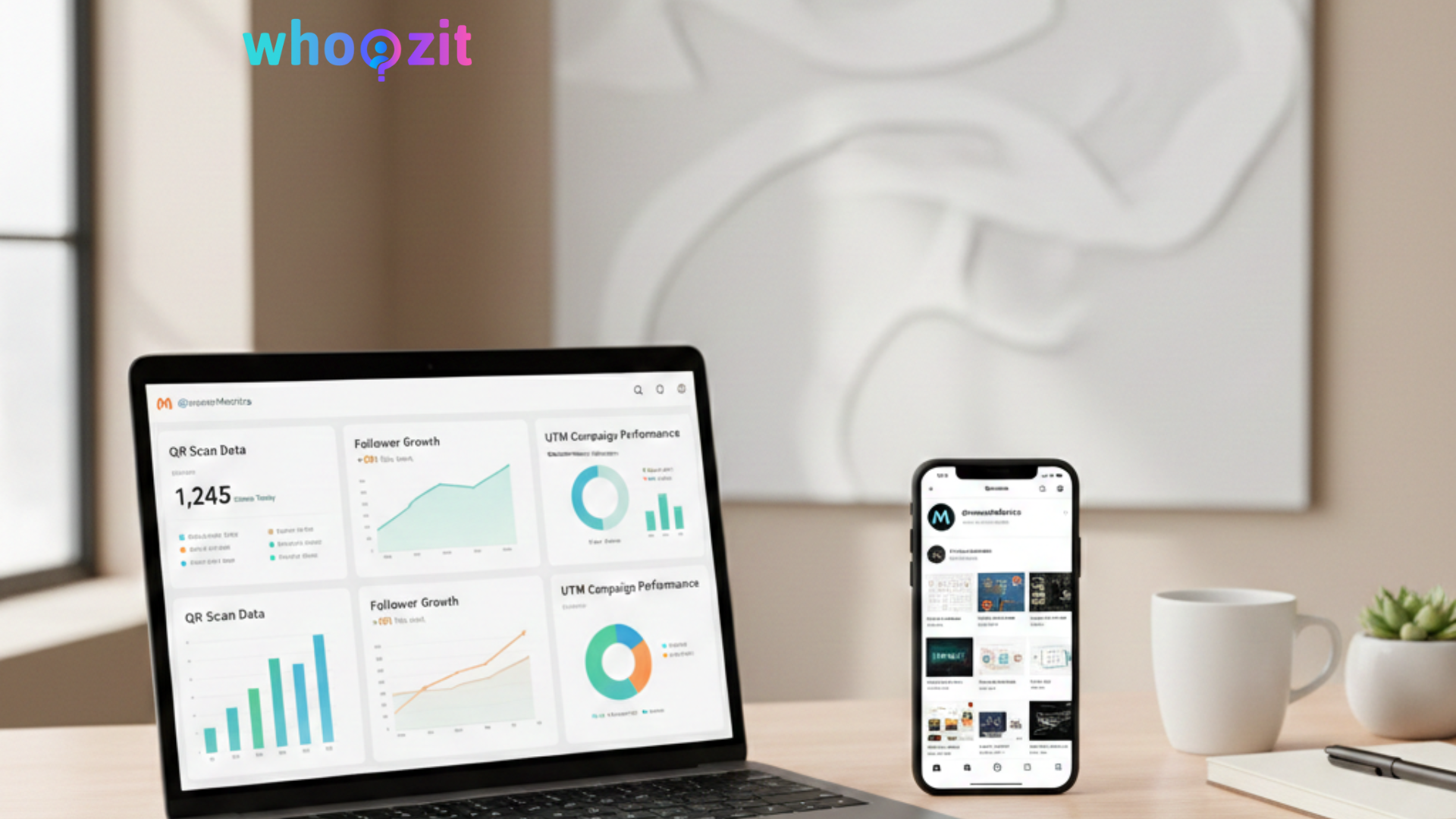
- Use dynamic QR codes that support UTM tagging. Add source, medium, and campaign values so scans feed into Google Analytics or your BI tool.
- Track profile visits, follows, clicks to bio links, and DMs as conversion steps. Instagram analytics plus your own event tagging will show you the funnel.
- Set up short-term landing pages for experiments. Track those pages with pixel events and UTM parameters before sending users to Instagram.
- Compare uplift against control groups. For example, rotate QR codes between two stores and compare follower growth rates or promo redemptions.
I like to align QR metrics to real business outcomes. That means not just counting scans, but counting the actions we care about: follows, sign-ups, messages, and purchases. If a campaign drives many scans and few follows, change the offer or the landing experience.
Common Mistakes and How to Avoid Them
I've seen the same mistakes over and over. You can skip these free lessons.
- Not testing first. Never launch without testing scan speed, redirects, and mobile load times. Test on several phone models.
- Poor placement. Codes near reflective surfaces or high on a wall are hard to scan. Place them within easy reach or sightline.
- No clear CTA. Vague copy like "Scan me" is weak. Say what happens after the scan and why it matters.
- Static codes for dynamic offers. If the offer changes, use a dynamic QR so you can update the destination without reprinting.
- Ignoring attribution. If scans aren't tagged, you won't know which channel or creative drove results.
One pitfall I keep warning teams about is making QR scanning itself the goal. It is not. The scan is a step toward a conversion. Define the conversion first and design the QR flow to achieve it.
Examples of Instagram QR Code Campaigns That Work
Let me share a few simple, human examples that I either ran or advised on. They're short and practical.
Example 1: Coffee Shop Loyalty Boost
A small chain added a QR code to the lid sleeve. Scanning opened a reel showing the barista making the signature drink and a link to join the loyalty list via Instagram DM. New follower plus a message translated into a 20 percent sign-up rate for the loyalty program in the first month. We used a dynamic QR so the destination could rotate between seasonal drinks.
Example 2: Fashion Brand Pop-Up
At a weekend pop-up, a brand used table-top QR cards linking to styling reels and a one-day discount code. Staff suggested customers scan when they tried on items. The campaign increased the pop-up conversion rate by 15 percent compared to the previous event that had no QR-enabled content.
Example 3: Restaurant Menu to Reservation Flow
A bistro placed a QR code on each table that opened a highlight reel of dishes and a "Reserve now" sticker in their profile. Scans during dinner service led to a measurable uptick in bookings for special nights, plus higher engagement with UGC content from diners who were encouraged to tag the restaurant after scanning.
Integrations and Tools
Not all QR solutions are equal. In 2026, look for features that save time and make attribution easier.
- Dynamic QR management. Update destinations, pause campaigns, and see scan analytics in a dashboard.
- UTM and campaign injection. Auto-append UTM tags so every scan shows up in your analytics correctly.
- Analytics export. Pull scan data into your BI tools for deeper analysis.
- Link shortener support. Some platforms let you redirect through branded short links for better control.
- CRM and messaging integration. Route follow actions or scans into your CRM or send an auto-reply from Instagram via APIs.
Tools range from free QR generators to platform-grade marketing suites. If you're running multiple codes across channels, invest in a management tool that centralizes edits and reporting. Whoozit offers solutions that simplify these steps and help teams deploy QR strategies faster. I like platforms that let me change the destination mid-campaign without reprinting materials.
Privacy, Compliance, and User Trust
People are rightly cautious about scanning things. Build trust by being transparent.
- Tell users what they will get. "Scan to view how-to and get 10 percent" is a clear value exchange.
- Avoid invasive redirects. Don't collect personal data before the user has consented.
- Comply with local rules. In some regions, collecting location data from scans triggers privacy rules. Know your legal obligations.
Small things help. Add a short privacy note on the landing page. Use secure, HTTPS destinations. These reassure people and reduce drop-off after scanning.
Best Practices for Campaign Planning
Run QR campaigns like any marketing effort. Plan, test, measure, and iterate.
- Define the goal. Is it followers, purchases, email signups, or DMs? Be specific.
- Pick the right landing. Use profile content for discovery, a reel for storytelling, or a dedicated mobile landing for conversion.
- Design for speed. Keep the landing page lightweight and mobile-optimized.
- Test the user flow. Try the scan on several devices and networks before launch.
- Tag and track. Use UTMs and your analytics to understand conversions by channel.
- Iterate. Change the creative, CTA, or destination and compare performance.
As a rule, run small tests first. A/B test different CTAs and landing experiences. Small wins teach you fast and keep costs low.
Creative Ideas to Try This Quarter
Want quick wins? Try one or two of these experiments over the next 30 days.
- Sticker campaign in your top-performing store. Offer a small discount for first-time followers who scan and follow right away.
- Event-only reel. At your next event, place QR codes that open an exclusive reel and give away entry.
- Receipt follows flow. Add a QR to receipts that links to a thank-you reel and a surprise upsell.
- Influencer add-on. Ask a creator to include an offline QR in merch or event signage and tag the scans to their handle for attribution.
These are low-cost, high-test-value moves. They also show managers fast data, which helps build buy-in for a larger program.
How to Measure Success: KPIs and Benchmarks
Different goals need different KPIs. Here are common metrics and what they tell you.
- Scans. Good for awareness and reach. Alone, it is a shallow metric.
- Profile visits per scan. Tells you if the code is attracting relevant traffic.
- Follow rate per scan. This is one of the clearest indicators of discovery success.
- Click-throughs from profile to bio link. Shows content-to-conversion efficiency.
- DM starts or form completions. Great for lead gen-focused campaigns.
- Promo redemptions. Direct revenue-linked metric for retail and D2C.
Benchmarks vary by industry, but as a rule, aim for a follow rate of 5 to 15 percent of scans on discovery-focused campaigns. If you see below 3 percent, revisit the landing experience or the offer.
Scaling QR Code Programs
Once you prove the concept, scale intentionally. Centralize assets, define naming standards for UTMs, and create templates for print and digital. Empower local teams with an easy-to-use tool to generate dynamic codes on demand.
Train retail staff. A short line like "Scan here to get a recipe and 10 percent off," said at the right time, will lift scans dramatically. Incentivize staff to promote the code and track performance by store. Small operational changes like this compound fast.
Future Features to Watch
2026 is already showing trends that will shape QR marketing further.
- More advanced personalization. Route scanners to different experiences based on time, location, or prior interactions.
- Tighter CRM integration. Scans are becoming first-party signals that feed into customer profiles.
- Expanded Instagram capabilities. Expect deeper API-driven actions, like automated replies or story unlocks after follow actions.
These features make the QR strategy more strategic. They let you treat offline touchpoints like first-class digital channels.
Read more :
Common Questions I Hear
Here are short answers to questions I hear from teams just starting.
Will people still scan QR codes? Yes. Scans are up where the experience is useful and fast.
Should we use a branded QR or a plain one? Use a branded look if it still scans reliably. Test it first.
Do we need special tools? For anything beyond one-off campaigns, use a dynamic QR tool with UTM support. It saves time and improves attribution.
FAQ:
1: Are Instagram QR codes still effective in 2026?
Yes. Instagram QR codes are effective in 2026 because scanning behavior is now native and frictionless. When paired with a clear incentive and fast mobile landing, they consistently drive profile visits, follows, and conversions.
FAQ 2: What should an Instagram QR code link to for best results?
It depends on the goal. For discovery, link to the Instagram profile or a high-performing reel. For conversion, route users through a tracked landing page and then send them to a DM, shop, or offer. Avoid linking blindly without a defined outcome.
FAQ 3: How do you track performance from Instagram QR codes?
Use dynamic QR codes with UTM parameters. Track scans, profile visits, follows, DMs, and promo redemptions. The scan itself is not the metric that matters. The action after the scan is.
Final Thoughts
Instagram QR codes are no longer a niche tactic. They are a practical bridge between offline moments and online discovery. If you treat QR codes like smart links rather than static images, they become a dependable part of your Instagram growth toolkit.
Start small, measure clearly, and iterate. Keep the promise simple. Make the landing fast. And don't forget to train the people who will actually nudge customers to scan. Those human moments matter more than the code itself.
Helpful Links & Next Steps
If you want to see a QR strategy that ties scans to conversions, Book a Free Demo Today: Book a Free Demo Today