Influencer Marketing Examples Every Creator Should Know in 2026”
Short summary :
Whether you are a creator, brand manager, startup founder, or marketer, chances are you have been in the same situation where you have asked the question that I get most of the time. What elements of influencer marketing are truly effective nowadays? Although trends change quickly, the fundamental concept remains the same. You need genuine content that inspires people to see, trust, and do.
I've been watching campaigns for years, and I still learn something new from every good example. In this post I break down practical influencer campaign examples you can copy or adapt.I am going to discuss Instagram influencer marketing, YouTube influencer campaigns, the virality of TikTok, micro, influencer programs, live commerce, and new changes in influencer marketing trends 2026. There will be easy examples, genuine tactics, and a bunch of errors to avoid.
Why look at examples instead of theory?
Theory is useful. But examples show how strategy turns into content and results. When you can point to a campaign and pick it apart, you stop guessing. You see what worked, why it worked, and how to repeat it. That’s what this post does. It's a practical toolbox for creator marketing and brand collaborations.
How I organized this post
- Short-form virality - TikTok and Reels
- Long-form storytelling - YouTube
- Micro-influencer programs that scale
- Performance and affiliate-led campaigns
- Live commerce and shopping experiences
- Creator-owned products and collaborations
- Virtual influencers and AI-led creators
- Common mistakes and quick campaign checklists
Each section includes simple examples you can try, plus a few tactical notes. No fluff, just things I’ve seen work again and again.
Short-form virality - TikTok and Instagram Reels
Short videos still dominate attention. TikTok and Instagram Reels are where creators build fast visibility. The magic happens when content feels native to the platform and sneaks past the ad fatigue people have on other channels.
Example 1 - Trend-led product push
What it looks like: A creator uses a product in a short, relatable clip tied to a trending sound. The product is the “punchline” or the useful reveal at the end.
Real-world flavor: Brands often ride the "TikTok made me buy it" wave. Simple. The creator shows a problem, tries the product, and gives a quick verdict. No over-produced ad. Just a human reaction and a discount code in the caption.
Why it works: People trust creators who solve a need fast. Trends provide the algorithm boost so the content reaches new audiences.
How you can use it: Find trending sounds, build a short script where the product solves the problem, and ask the creator for a clear call to action. Keep the clip under 30 seconds.
Example 2 - The makeover or before and after
What it looks like: Short clips showing transformation. Think skincare, makeup, minor home upgrades, or quick recipes.
Simple real example: A creator shows a dull desk, adds a desk lamp and plant, and suddenly the space feels new. The brand tags the product and links to a storefront.
Why it works: Visual clarity. People instantly see the benefit. It’s shareable and easy to remix as a trend.
Long-form storytelling - YouTube influencer campaigns
Long, form content is still the best for securing deeper engagement. YouTube will continue to be the go, to platform for tutorials, reviews, and long, form entertainment. When it comes to product launches or storytelling, nothing really beats a 10 to 20 minute video where creators can be themselves.
Example 3 - The product deep dive
What it looks like: A creator reviews a product in detail, showing real use cases across a long video. This works for tech, cameras, gadgets, and subscription services.
Real-world flavor: Many creators combine demos, comparisons, and honest pros and cons. They link an affiliate code in the description for tracked conversions.
Why it works: The audience trusts detailed opinions. If the creator clearly tests the product, their recommendation carries weight.
How you can use it: Sponsor a video where the creator truly uses the product in context. Allow them creative control while setting clear KPIs like watch time and conversion links.
Example 4 - Branded series and episodic content
What it looks like: A creator and brand collaborate on a short series. Every installment dives deep the topic of the brand, for example, fitness challenges, travel hacks, or behind, the, scenes product design.
Why it works: Content in episodes helps build a routine. The audience returns, interaction increases, and the brand turns into the creator's continuous story.
How you can use it: Start small. Sponsor two or three episodes at most with a storyline, not a one, off plug. Measure audience retention and discuss follow, up content with the creator.
Micro -influencers that scale
Micro-influencers are no longer a niche. They’re often the most cost-effective path to real engagement. Because they niche down, their followers trust them more. In my experience, a program with many micro-influencers beats a single big-name post most of the time.
Example 5 - Ambassador programs
What it looks like: Brands sign many creators for long-term partnerships. Creators get early product drops, affiliate codes, and exclusives.
Real, world flavor: A gym brand is an excellent example of the flavor of the content in the real world. The creators are genuine fans and, therefore, they come up with everyday content wearing the products, demonstrating workouts, and sharing their real progress.
Why it works: Continuity and truthfulness. It establishes credibility when the audience sees the same product in multiple trusted creators.
How you can use it: Set up a nice, neat onboarding kit. Give micro, influencers simple and clear task deliverables along with a realistic reward system, a flat fee plus performance bonuses generally work well.
Example 6 - Localized creator networks
What it looks like: Brands recruit creators in specific cities or communities to run small events, create neighborhood content, or highlight local stores.
Why it works: Local creators have high offline influence. If you're launching in a new city, this beats national ads for awareness.
Performance-based and affiliate campaigns
If you need measurable ROI, performance campaigns are your friend. These tie payment to clicks, sign-ups, or sales. Creators still need to be real, but the focus goes to conversion tracking.
Example 7 - Affiliate-first campaigns
What it looks like: Brands give creators unique affiliate links and track conversions. Creators promote the brand in their normal content with an incentive for the audience.
Real-world flavor: Many creators run affiliate links for gear, books, and subscription boxes. Some get monthly payouts based on the sales they drive.
Why it works: Clear measurement. Brands can test many creators to find the ones who actually convert.
How you can use it: Offer tiered commissions. Pay higher rates for recurring subscriptions and larger sales. Keep the tracking transparent so creators trust the numbers.
Example 8 - Promo codes with urgency
What it looks like: Creators share a limited-time discount code, often timed with an event or launch.
Why it works: Time-limited offers create urgency. If the creator is credible, people act fast.
Live commerce and shopping experiences
Live shopping keeps growing. It’s now a standard tactic in many markets. Live formats give creators real-time interaction, Q and A, and instant buying through integrated links.
Example 9 - Live product demos with exclusive drops
What it looks like: A creator hosts a live stream demonstrating products, answers questions, and drops exclusive items or bundles only available during the stream.
Why it works: Live chat builds urgency and trust. Viewers see unfiltered responses and can buy without leaving the app.
How you can use it: Keep live sessions focused. Promote the event in advance, prepare a few product highlights, and have the creator mention shipping and returns clearly. Test different lengths but aim for 20 to 45 minutes.
Example 10 - Shopping collabs with multiple creators
What it looks like: Brands invite several creators to co-host a shopping event. Each creator brings their audience and highlights different products.
Why it works: Cross-pollination. Fans tune in for one creator and discover others. This can spike short-term sales and long-term followers.
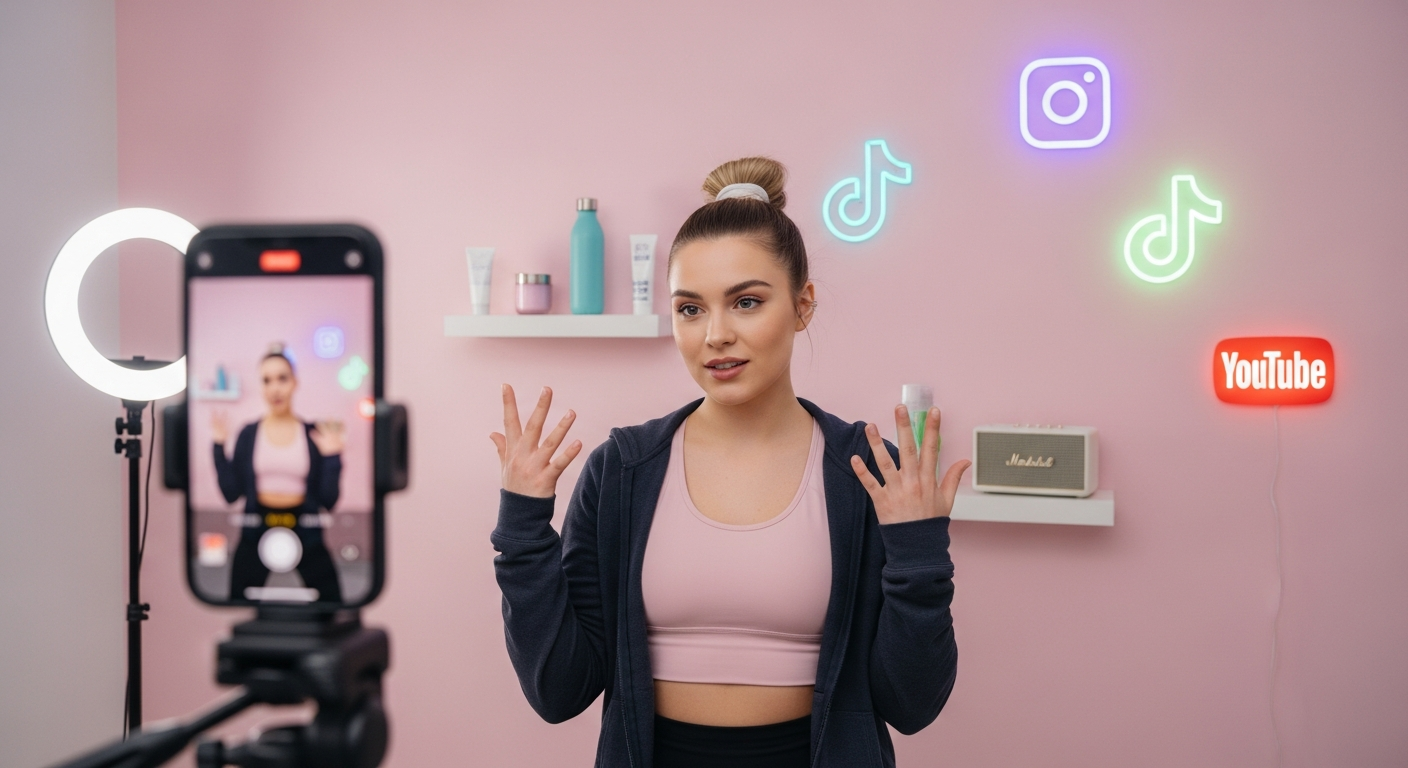
Creator-owned products and collaborations
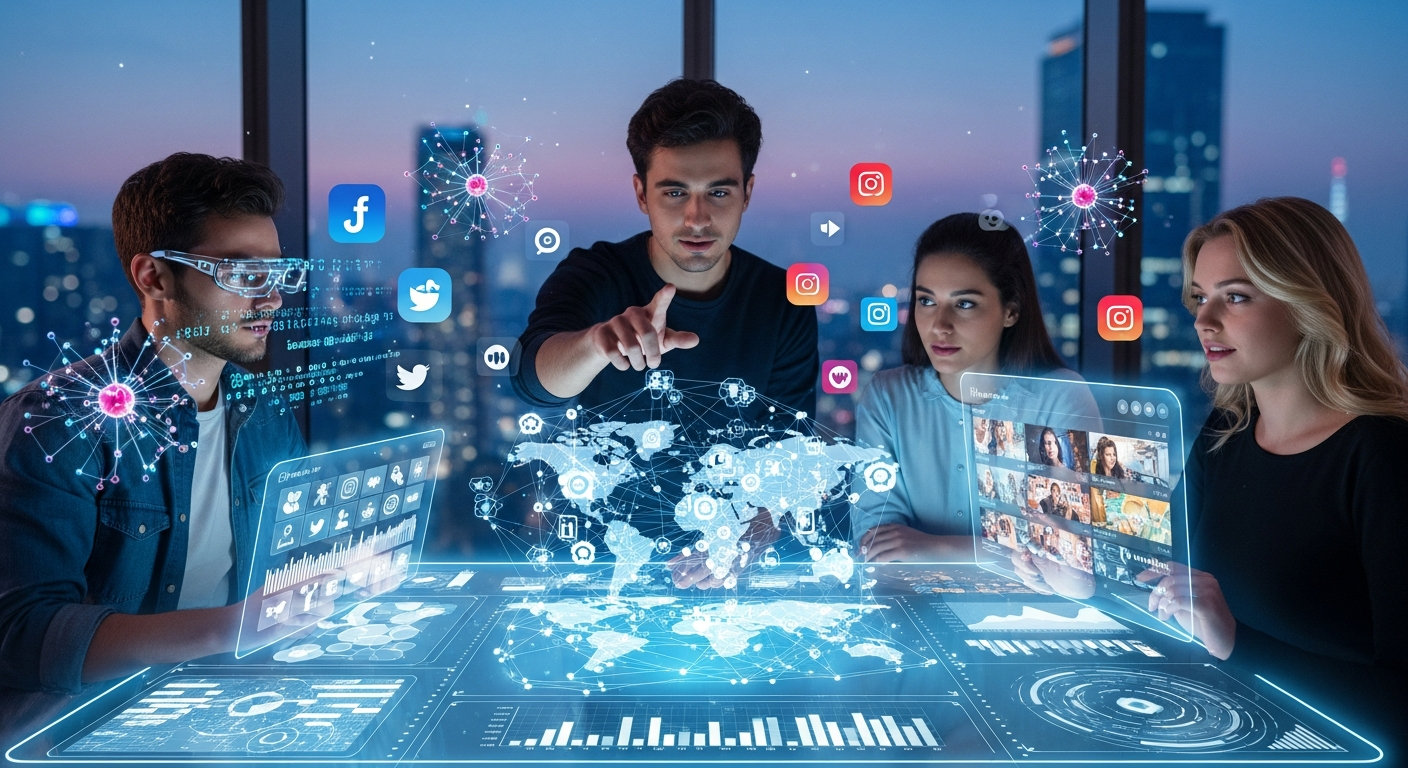
Many marketers now use creative analytics to track which influencer videos, hooks, thumbnails, and ad creatives generate the highest engagement, click through rates, and ROI across Facebook and Instagram campaigns.
Example 11 - Creator-branded products
What it looks like: A creator launches a product line in a brand partnership. They document the journey of the development to their followers thus giving them the feeling that it's their product as well.
Real, world flavor: Some creators have ventured into beauty or apparel lines and have provided their followers with the clear journey of the making. Fans love the openness and purchase products to support the creator.
Why it works: It is genuine and there is excitement before the launch. Besides, the creator mentioning and using the product in their content gives the impression that the product is a natural continuation of their brand. How you can use it: Make the creator be a part of the product process. Reveal the first drafts, prototype, and the launch date. Use the first drop scarcity to prompt early sales.
Virtual influencers and AI-driven creators
Virtual influencers continue to mature. They’re not a replacement for human creators, but they open different creative possibilities and can be tightly script-controlled for brand messaging.
Example 12 - Virtual talent for controlled messaging
What it looks like: A company employs an AI, generated or virtual influencer for fashionable campaigns. The content is top, notch and uniform.
Why it works: Stability and creative exploration. Companies can try out new visual ideas without having to worry about real, person PR issues.
How you can use it: Employ virtual creators for fashion images, AR filters, or storytelling campaigns. Combine them with human creators to keep the campaign real.
Cross-platform campaigns that repurpose content
You want every piece of content to earn its keep. Plan campaigns so one creator video becomes many assets across platforms.
Example 13 - Repurpose the long-form piece into shorts
What the scenario looks like: A creator films a 12 minutes review. The brand subsequently edits the review highlights into 30, second Reels and 15, second TikToks.
Why does it work: You get both depth and breadth. YouTube is the channel that offers trust. Shorts is the channel that provides you with a wide range.
How you could leverage it: While shooting, take different views and short moments. Request the creator to allow you the rights to use the content on different platforms.
Mini case studies - Simple and practical
I want to keep these short. They show how brands of different sizes used creator marketing in ways you can copy.
Case study A - Niche product, micro-influencer scale
Scenario: A minor tea brand is looking for brand awareness among urban professionals.
What they did: The company engaged 30 micro, influencers in the wellness and productivity disciplines. Each influencer produced an authentic 60, second routine video demonstrating how the tea was integrated into work, from, home habits. The brand gave a 10 percent discount code and monitored conversions through unique links.
Result: Steady daily sales and a mailing list grow. The brand learned which messaging worked and scaled it with paid media for the best-performing creators.
Case study B - Subscription service, YouTube + Shorts
Scenario: A learning app needs longer engagement and new signups.
What they did: The brand sponsored a 10 minute YouTube review with a creator who used the app for 30 days. They also clipped the best 8 moments into a Shorts campaign and fed those into targeted ads.
Result: High-quality traffic from the long review and strong signups from Shorts serving as primers. Cost per acquisition became predictable after iteration.
READ MORE :Student Portfolio Examples That Look Professional
Influencer marketing trends 2026 you should watch
Here are the trends I expect creators and brands to use more in 2026. Some are already here. I'll add quick examples so you get the idea fast.
- Creator-first commerce - Creators launching drops and owning distribution. Think creators building product lines with direct checkout links.
- Performance + content hybrid - Paid only for content that hits engagement or conversion thresholds. Brands will demand clearer attribution.
- Micro, first strategies -More and more brands will execute numerous small promotions rather than only one or two large ones.
- AI, assisted content - Creators will leverage AI to help them speed up the editing process, brainstorm script ideas, and test creative variations.
- Live shopping everywhere - Live events in the Western markets will be so common that it will be like a Black Friday sale every day.
- Creator communities - Memberships, Discord servers, and paid newsletters associated with creators will be the main tools in the long, term audience monetization model.
- Data, driven creator selection - Brand marketers will look beyond just the follower count and use other metrics like the quality of comments and audience retention.
Common mistakes and pitfalls to avoid
I notice the same errors repeated quite frequently. Avoiding these will not only save you money but also help maintain your good name.
- Counting the followers only -A large number of followers doesn't necessarily mean more sales. Consider engagement, niche suitability, and audience overlap.
- Handing creators scripts that they can't deliver naturally- This completely kills the authenticity. Instead of a script, give them a short outline.
- Not getting usage rights agreed on in advance- If you are going to reuse the content, then you should pay for the rights and also keep a record of them.
- Short-term thinking - One-off posts rarely build brand love. Test, then scale with creators who deliver.
- Ignoring disclosures - FTC and platform rules matter. Hidden sponsorships can get campaigns pulled and damage trust.
How to plan an influencer campaign that actually works
Here’s a simple playbook you can use. It’s short and practical so you can act on it today.
- Define the objective - Awareness, trial, or sales? Pick one main KPI.
- Pick the platform - Short-form for reach. Long-form for trust. Live for immediacy.
- Set the offer - Give the creator an offer that converts, like a time-limited discount or exclusive bundle.
- Select creators - Prioritize micro-influencers in your niche and creators with good comment engagement.
- Give creative freedom - Provide a short creative brief and a few mandatory lines if needed.
- Agree on metrics and rights - Define tracking links, reporting cadence, and content usage permissions.
- Measure and iterate - Compare creators by ROI, not just reach. Double down on what works.
What to include in a creator brief
A brief doesn't need to be long, but it should be clear. Here's a short template I use.
- Campaign goal - One sentence
- Key message - One line the audience should remember
- Deliverables - Number and type of posts
- Timeline - Key dates
- Creative do's and don'ts - Tone and mandatory mentions
- Tracking - Affiliate link or promo code
- Usage rights - How and where the brand can reuse the content
Negotiation and pricing - a few practical tips
Pricing varies wildly. Here are quick rules of thumb.
- Start with value, not ego. Ask what a creator's conversion rate looks like if possible.
- Offer performance upside. Lower base fees paired with commissions reduces risk for brands and rewards creators who drive sales.
- Bundle deliverables. One video plus three short clips is often cheaper than separate buys.
- Be transparent about payment timing. Creators appreciate fast and reliable payments.
Measuring success - KPIs that matter
Pick KPIs tied to your objective. A few useful ones:
- Awareness - Impressions and reach
- Engagement - Likes, comments, saves, watch time
- Consideration - Click-through rate and landing page engagement
- Conversion - Sales, sign-ups, or app installs attributed to the creator
- Lifetime value - For subscriptions, measure retention beyond the initial sale
Quick examples creators can use to pitch brands
If you’re a creator, here are a few simple, human pitches that work.
- “I can make a 60 second problem-solution Reel showing your product in everyday use. I’ll include a swipe-up link and a promo code. My typical conversion rate is X percent based on past posts.”
- “I’ll produce a 10 minute YouTube review where I test the product over two weeks. I’ll share honest pros and cons, and clip highlights for Shorts.”
- “Let’s run a live shopping session with an exclusive bundle. I’ll demo the product, answer live questions, and offer a time-limited discount.”
Simple content ideas for common verticals
Here are quick scripts you can use based on category. Keep them short and real.
- Beauty - Show three ways to use the product in under 60 seconds. End with your honest tip.
- Fitness - Film a quick routine wearing the brand. Mention comfort and price briefly.
- Food - Create a recipe using the product. Say one fact about it and a taste reaction.
- Tech - Open the box and use the product for a real task. Compare with one competitor.
- Local - Tour the store or cafe. Point out one must-try item and why locals love it.
Legal and disclosure notes
Be clear on regulations. You must disclose partnerships. Platforms and regulators are strict. A short line like “sponsored” or “ad” near the top works. Don't hide it. Authenticity and compliance go hand in hand.
Scaling creator marketing for brands and startups
Scale only after you prove the model. Start with a narrow test, measure cost per acquisition, and expand with the creators who actually move the needle.
I've noticed brands often over-invest on day one. Test small. Learn fast. Use the best creators as your core team and run experiments with others. Over time you'll build a predictable funnel.
Final checklist before you launch
- Clear objective and KPI
- Short creative brief
- Agreed deliverables and timeline
- Tracking links or promo codes set up
- Usage rights documented
- Payment terms agreed
- Disclosure and compliance plan in place
Parting thoughts
Influencer marketing in 2026 is about blending creativity with measurement. Short-form hits attention. Long-form builds trust. Micro-influencers give authenticity. Live commerce delivers urgency. My advice is simple. Start small, measure honestly, and scale what works.
If you want help turning one of these examples into a live campaign, I can help you plan the next steps. whoozit works with creators and brands to design influencer marketing strategy and run campaigns that are on-brand and measurable. We love finding the right creators and scaling what actually moves the needle.