From Invisible to In-Demand: Building Credibility on the Internet
This blog explains how service founders and consultants can convert visibility into revenue by building online credibility. It argues credibility rests on knowing your craft, third‑party validation, and consistent behavior, supported by five pillars: clarity of position, thoughtful content, social proof, digital trust signals, and reputation management. The post gives a quick audit, a practical framework (define a specific promise, create flagship content, gather proof, fix trust signals, partner and measure), a 90‑day plan, measurement metrics, common mistakes to avoid, simple tools, and reproducible examples. Its purpose is to provide concrete, actionable steps to make credibility measurable and repeatable.
If you run a startup, consultancy, agency, or you coach people for a living, you already know that visibility is only half the battle. You can be everywhere online and still get ignored. What makes the difference is credibility. When people trust you, they raise their hand and ask for a meeting. They refer clients to you. They pay for your time. That is the real win.
Here I will show you step, by, step what it really takes to build online credibility beyond just having a highly active social feed. I will offer you some practical actions that you can do, list common errors that you should avoid, and tell you how to evaluate your progress. I've been guiding founders and consultants through this for a long time, and the written advice will be kept concrete and practical.
So, in a nutshell, online credibility is all about three things:
your possession of certain knowledge or skills, others confirming that, andyour habitual, consistent behavior. Let me break it down to the simplest level. First, your audience needs to be convinced that you know what you are talking about. Then they need to see that someone else or some people have vouched for you. And finally, your actions should be consistent throughout time so that people keep on witnessing them.
This definition is essential because most of the tips on how to build online credibility concentrate only on content. Content is, without doubt, an important factor. However, it is just one element in a bigger picture that also involves digital trust signals, reputation management, and brand positioning strategy.
Imagine this. If your posts on LinkedIn are outstanding, but your website has no customer reviews, and your business is under Google Maps that seems neglected, potential customers will be doubtful. They need to be assured. They need to see some signs that this person is a reliable one. These signs are the fundamentals of an online professional profile.
The five pillars of online credibility
In my experience, credibility rests on five pillars. Each one is a clear lever you can pull. Ignore one, and the rest will not work as well.
- Clarity of position. If you try to be everything to everyone, you look like everyone. Narrow your offer, speak to one type of client, and use simple language. A sharp brand positioning strategy makes you memorable.
- Thoughtful content. Share useful ideas, case stories, and frameworks. That is thought leadership marketing at its simplest. You do not need viral content. You need useful content that builds trust.
- Social proof and testimonials. Real client stories, metrics, and short quotes beat vague claims. Use social proof marketing in your materials so prospects see what others have achieved.
- Digital trust signals. Professional website, clear contact info, privacy and terms pages, up-to-date LinkedIn, and a good Google Business profile. These small items influence trust more than you might expect.
- Reputation management. Monitor reviews, address complaints, and keep your public narrative clean. Online reputation management is not just reacting. It is proactive storytelling.
Each of these pillars supports the others. For example, content positions you as an expert. Testimonials make that expertise believable. Trust signals reduce friction in the buying process.
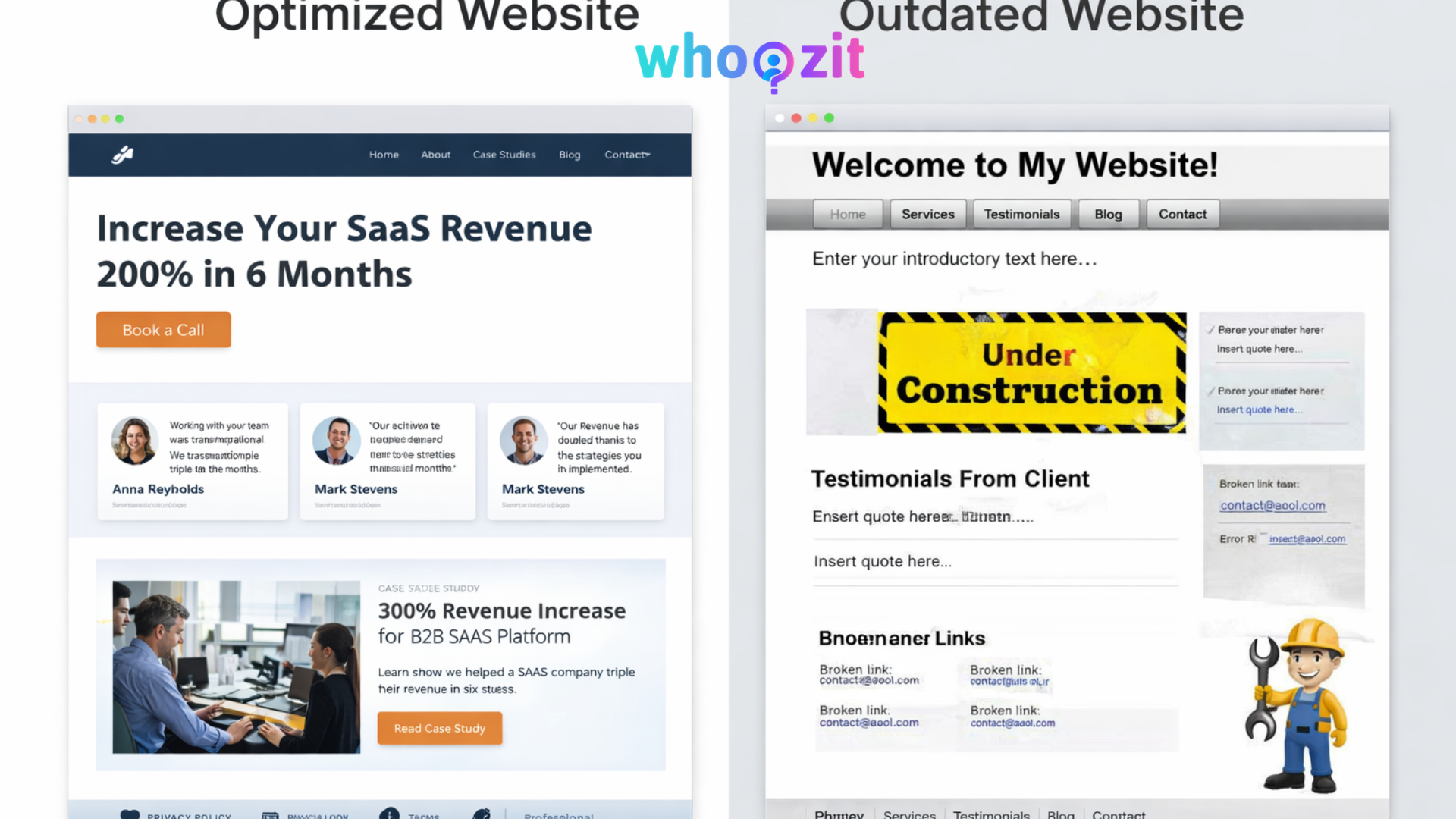
Start with a quick credibility audit.
You can do a fast audit in less than an hour. I do this with clients on the first call. It exposes easy wins and high impact fixes.
- Open your website. Is your headline clear about who you help and what results you deliver?
- Check your contact page. Is it easy to book a meeting? Can prospects find proof of work quickly?
- Scan your LinkedIn profile. Does the summary read like a resume or a clear offer?
- Search your name and company on Google. What shows up on the first page of results?
- Look for testimonials and case studies. Are they current and specific?
After this quick audit, you will know where to start. Often, the biggest gains come from simple fixes: sharper website copy, consistent imagery, and adding two recent client stories.
A practical framework for building credibility
Here is a straightforward framework I use with clients. It is actionable and works across industries.
- Define your promise. Pick a single outcome you help clients achieve. Make the promise specific and measurable. For instance, instead of saying "help grow revenue", say "help B2B SaaS teams add $250k in ARR in 6 months."
- Create three flagship pieces of content. These should show your method. A short case study, a 1,000 word essay on your approach, and a practical checklist. Make them downloadable and easy to share.
- Collect two types of social proof. Quantitative metrics like revenue or conversion lift, and qualitative quotes from clients. Short video clips work great for conversion.
- Optimize trust signals. Update about page, add a privacy page, fix broken links, get a professional photo, and set up a clear contact flow.
- Amplify with partnerships. Guest posts, joint webinars, or podcasts with people your prospects already trust.
- Repeat and measure. Publish regularly, track leads that reference your content, and refine the message.
If you follow this structure, you start to build a web of signals that prospects can check. They no longer have to take your word for it. They can verify your results.
Content marketing for credibility: what to publish
Content is often mistaken for posting daily takeaways. That helps, but the goal should be to build trust through substance. Think quality over volume.
Start with pieces that make your process transparent. People like to understand how you work. It reduces perceived risk. Examples include:
- Case studies that list the problem, the exact steps you took, and the measurable outcome.
- Playbooks and checklists that a prospect can use to self-audit.
- Short articles that explain tradeoffs and decision points. Be honest about when your approach is not the best choice.
- Interviews with clients and partners. Let others speak about the results.
One small tip. When you publish a case study, include the time period and baseline numbers. Specifics make credibility tangible. Vague claims do the opposite.
How to collect social proof without sounding desperate
Many people are shy about asking for testimonials. I used to see consultants postpone this for months. That is avoidable.
Ask for feedback at the end of a project. Use a short template so clients do not have to write much. For example:
"What problem did we solve? What measurable result did you see? Would you recommend us and why?"
Turn that into a short quote for your website and a one minute video for social. A mix of formats helps. Text is quick to scan. Video feels human.
Another practical trick is to ask for permission to publish a small before and after metric. A single line like "In three months, conversions rose 18 percent" is powerful. Keep it honest and attributable.
Digital trust signals that matter
Some trust signals are small but high impact. I call these hygiene items because they reduce friction. Fix them first.
- Professional domain email. A founder using a Gmail address can hurt credibility.
- Clear pricing ranges or indicative starting points. You do not have to publish a full rate card, but give a sense of scale.
- Recent content and an active blog or resource page. Inactive sites raise doubts.
- Secure site, clear contact options, and a simple booking link. Make it easy to meet you.
- Visible client logos, press mentions, and membership badges when relevant.
I have seen teams spend months on a logo redesign while ignoring a broken contact form. Fix the contact form first. It converts more than a prettier homepage.

Common mistakes and how to avoid them
Here are mistakes I see repeatedly. You can dodge them if you know what to watch for.
- Trying to be everything. Broad messaging attracts no one. Pick a niche, even if it feels limiting. Narrow beats broad for credibility.
- Overloading on jargon. Technical words do not prove expertise. Clear, simple language does.
- Ignoring negative feedback. Hiding or deleting reviews will come back to haunt you. Address public concerns openly and respectfully.
- Thinking social media equals authority. Posting daily does not guarantee trust. Your content needs depth and consistent proof points.
- Delaying testimonials. If you do good work, ask for permission to share outcomes. The longer you wait, the harder it becomes to capture specifics.
Small errors on your site and profiles add up. They create a perception of sloppiness. Avoid that by setting a short credibility checklist and fixing issues within two weeks.
A simple 90 day plan you can start today
Here is a timeline you can use. No fluff. Just a few steps you can do in a few hours each week.
Week 1 to 2: Audit and quick fixes
- Run the quick credibility audit from earlier. Fix headlines and the contact path.
- Update LinkedIn headline and summary to reflect a single promise.
- Add or refresh one client testimonial on your services page.
Week 3 to 6: Create core assets
- Write one in-depth case study. Include baseline numbers and outcomes.
- Publish a 1,000 word article that explains your method and why it works.
- Make a short checklist people can download in exchange for an email.
Week 7 to 9: Amplify and collect proof
- Ask two recent clients for short video testimonials. Keep them on the page for social proof marketing.
- Partner on one webinar or podcast with a complementary founder. Cross-promotion expands trust.
- Set up a simple email nurture series that shares your top content and case study.
Week 10 to 12: Measure and refine
- Track inbound leads and note which content they reference.
- Refine messaging where prospects express confusion or objections.
- Plan the next three months of content based on what worked.
That plan will deliver noticeable results. It also builds momentum. Credibility compounds when you keep showing up with substance.
How to measure whether your credibility work is working
Measure outcomes, not vanity metrics. Here are the metrics to track.
- Lead quality. Are inbound inquiries closer to your ideal client? A rise in qualified meetings is a strong signal.
- Conversion rate. Do a higher percentage of discovery calls turn into paid work?
- Time to close. Credibility should reduce the sales cycle.
- Referral rate. Are clients recommending you? A higher referral metric means trust is spreading.
- Engagement on deep content. Downloads of case studies, signups for webinars, and time on page are useful leading indicators.
If you see progress in these metrics, you are building authority. If not, go back to the pillars and look for gaps in social proof, trust signals, or clarity of position.
Simple tools and templates I recommend
You do not need complex systems to get started. Use tools that save time and keep your processes repeatable.
- Use a simple CMS like WordPress or a hosted site builder for fast edits.
- Calendly or a similar booking tool for easy meetings. A single scheduling link removes a barrier right away.
- Loom for quick client video testimonials. It is fast and does not require production skills.
- Google Alerts for basic reputation monitoring and a monthly check of your search results.
- A shared Google Doc template for client case studies, so you can ask teams to fill in numbers quickly.
I often see founders ignore these small operational fixes. They matter. A smoother client experience increases perceived professionalism, which contributes to personal brand credibility.
Real world examples that are easy to copy
Examples help make this concrete. Here are short, human examples you can replicate.
Example 1: The boutique consultant
She focuses on helping ecommerce brands reduce cart abandonment. Her homepage headline is a clear promise: "Cut cart abandonment by 15 percent in 60 days." She published a single case study showing the three steps she used, with before and after metrics. She asked the client for a 20 second video testimonial and put it on the services page. Leads started referencing the case study in discovery calls. Her close rate improved.
Example 2: The agency owner
He ran an audit, fixed broken links, and added a visible pricing tier to his site. He wrote a long form article on a predictable problem clients face. The article generated a dozen qualified leads in two months because it matched what his ideal client was searching for. He used a partner webinar to reach a new audience and collected three strong testimonials from that event.
Example 3: The coach
She created a short free tool that clients could use to self-assess progress. It was a simple checklist. She promoted it on LinkedIn and used the downloads to start conversations. The checklist made her process transparent and led to several paid coaching engagements.
These are not complicated ideas. They are small, practical moves that build trust faster than a stream of generic posts.
How Whoozit can help
Working on credibility is strategic work. It is also detailed and operational. That is where a partner can help. Whoozit specializes in brand positioning strategy, content marketing for credibility, and setting up the right digital trust signals so your professional online presence feels intentional.
If you want a partner who knows how to turn visibility into revenue, we can help with the audit, the content pieces, and a plan to collect social proof that actually converts. We focus on authority building strategies that fit service based businesses and startups. We do not overpromise. We help you make measurable progress.
Common pitfalls when working with agencies or consultants
Not all help is equal. If you hire external help, here are mistakes to avoid.
- Hiring someone who focuses only on social posting without addressing the site and trust signals.
- Paying for wide reach rather than relevant reach. Large audiences do not equal high quality leads.
- Not owning the core assets. Make sure you keep control over your site, email list, and content.
- Setting vague success metrics. Define what a qualified inbound lead looks like before you start.
When evaluating partners, ask them to explain the measurable outcomes they will aim to improve and how that connects to your sales process.
Quick checklist to build credibility today
Here is a checklist you can use right now. It covers quick wins and foundational work.
- Clear headline: Does your homepage say who you help and what results you deliver?
- Case study: Publish one detailed client story with numbers.
- Contact path: Make it easy to book a meeting in under three clicks.
- Testimonials: Get at least two short client quotes or videos.
- Trust signals: Use a professional email, update LinkedIn, and fix broken links.
- Downloadable asset: Create a short checklist or playbook for lead capture.
- Partner outreach: Schedule one webinar or guest article with a trusted peer.
Read more:
One last practical tip
People rarely remember a single article or post. They remember a consistent story over time. Pick one idea to make true everywhere: your website, your LinkedIn, your client conversations, and your emails. When that message is consistent, trust builds much faster.
Also, be patient. Credibility compounds slowly. You will not become the go to person overnight. But you can move from invisible to in demand with steady, practical steps.
Frequently Asked Questions.
1. What is online credibility building?
Online credibility building is the process of establishing trust and authority through clear positioning, consistent content, verified social proof, and strong digital trust signals.
2. How long does it take to build online credibility?
It typically takes 60 to 90 days to see measurable impact if you consistently publish case studies, improve trust signals, and collect testimonials.
3. Why is social proof important for online credibility?
Social proof validates your claims. Testimonials, case studies, and measurable results reduce risk perception and improve conversion rates.
Helpful Links & Next Steps
If you want a quick, practical review of your online credibility, book a Meeting Today. We will run a short audit, identify the highest impact fixes, and outline a 90 day plan tailored to your business.
If you try the 90 day plan, come back and tell me what changed. I love hearing about the small wins that turn into real business growth.