Lead Generation Strategies That Scale Fast
This blog is a practical guide for B2B founders, sales leaders, and growth teams on building scalable lead generation through repeatable systems. It argues that predictable pipelines come from focusing on fundamentals, defining an ICP, clarifying value, mapping buyer stages, and setting measurable KPIs, then combining targeted inbound and outbound channels with documented funnels and playbooks. The post covers tactics (SEO, PPC, webinars, ABM, cold email), conversion and nurture best practices, sensible use of automation, sales‑marketing alignment, and measurement priorities. It highlights common pitfalls, offers simple playbooks and a 90‑day execution plan to test, iterate, and scale pipeline‑driving activities, with practical templates.
If you are a B2B sales leader, founder, head of marketing, or growth manager, you already know the problem. You need a predictable pipeline. You need leads that convert. And you need systems that scale without burning cash. At Whoozit, we have worked with SaaS teams and service businesses that faced the same squeeze. At Whoozit, we have worked with SaaS teams and service businesses that faced the same squeeze.We’ve covered advanced paid optimization frameworks in detail on the Whoozit Blog. The good news is that scalable lead generation is not a mystery. It is a set of repeatable systems you can build and tune.
Here, I share with you practical, repeatable lead generation tactics that can be rapidly scaled. I'm going to talk about inbound and outbound lead generation strategies, the tools, and the methods that make them work, and the typical mistakes that cause a slowdown in growth. Anticipate to see straightforward examples, easy, to, follow checklists, and suggestions that you can implement this week.
Why now is the time for scalable lead generation
Growth isn't a lottery. You can keep throwing money at performance marketing and get traffic for a limited time. But scaling means continually turning this traffic into qualified opportunities over and over again. This is achieved through predictable processes, people following them, and the right automation.
According to me, the teams that look at lead generation as only a few experiments win. They define their goals, run brief tests, and keep whats working. It is that mentality that transforms marketing actions into a pipeline engine.
Get back to the basics
You should be able to identify with the basics and align them to your goals before going to any tactic. If you skip the basics, dont expect anything else to scale.
- Define your ICP. Who exactly buys from you? Be specific. Industry, company size, role, revenue range, and buying trigger. The narrower your ideal customer profile, the easier it is to find and convert them.
- Clarify the value proposition. What outcome do you deliver? How is it different from alternatives? Think of a one sentence answer your sales rep can use on a call.
- Map the buying process. What steps does a prospect take from problem to purchase? Map each stage and note the common objections at each point.
- Set measurable goals. Leads per month, SQLs, conversion rate, cost per lead, pipeline value. Pick a small set of KPIs and track them weekly.
These fundamentals guide channel choice, messaging, and how you measure success. I’ve seen early-stage teams waste months on shiny tactics because they skipped this step.
Choose the right mix of inbound and outbound.
Most scalable programs use both inbound and outbound channels. They feed each other. Inbound content brings unqualified interest. Outbound targets accounts with intent. Together, they create a reliable flow.
Inbound lead generation tactics
Inbound is long term and cost efficient if you do it correctly. Focus on attraction and conversion.
- SEO and content. Create helpful content for specific search queries buyers use. Case studies, how to guides, and product comparisons work well for B2B. Use clear calls to action and landing pages to capture leads.
- Performance marketing for leads. Run targeted PPC campaigns with lead-focused landing pages. Start with intent keywords and retarget visitors later.
- Webinars and workshops. These are great for mid-funnel education. Invite a mix of customers and prospects. Keep it practical and interactive.
- Organic social and thought leadership. LinkedIn posts, short videos, and comment threads build credibility. The reach is slower, but conversion can be strong if your content is relevant.
- Content upgrades and lead magnets. Short templates, checklists, or mini audits convert better than generic ebooks. Keep the ask small and useful.
Example: For a SaaS product that automates invoices, write a guide called How to Cut Invoice Processing Time in Half. Promote it with a LinkedIn campaign targeted at finance managers. Offer a short checklist as a content upgrade. Follow up with a short demo offer.
Outbound lead generation tactics
Outbound can scale fast if you keep it targeted and human. Think quality over blast volume.
- Account based outreach. Pick a list of best-fit accounts and personalize outreach across email, LinkedIn, and phone. Focus on a few accounts per campaign and iterate on messaging.
- Cold email sequences. Short, relevant emails work better than long sales pitches. Use one clear ask. Measure reply rates and refine subject lines and hooks.
- LinkedIn outreach. Use personalized connection requests and value-first messages. Share a quick example of how you helped a similar company.
- Partnerships and referrals. Build referral programs with complementary vendors. A quick referral can be as valuable as dozens of cold leads.
- Sales development with intent data. Use intent signals from content consumption, job postings, or product review visits to prioritize outreach.
Quick example: If you find five prospects attending the same industry event, reach out with a short message offering a brief meeting to compare notes. It is simple and often gets a yes. I’ve seen this convert better than broad outreach because the timing is right.
Build a repeatable funnel.
A scalable funnel has stages, handoffs, and templates. It reduces ad hoc work and helps you scale without chaos.
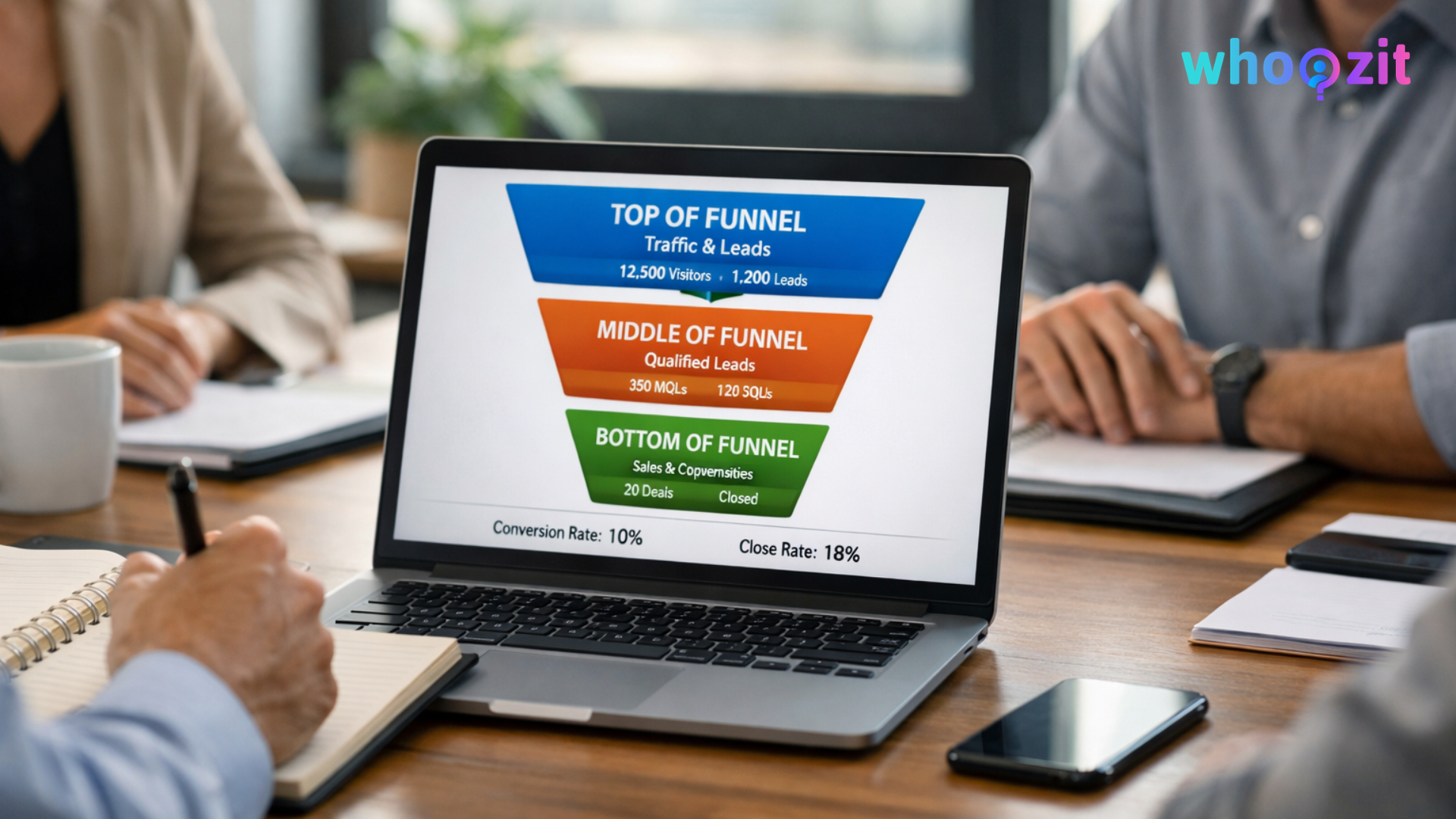
- Top of funnel. Drive traffic and awareness. Use content, ads, and PR.
- Middle of funnel. Educate and qualify. Webinars, case studies, and targeted emails live here.
- Bottom of funnel. Convert. Demos, free trials, and ROI calculators close deals.
Document the playbook for each stage. What triggers a lead to move from one stage to the next? Who owns the handoff? What does a qualified lead look like? These questions are not fun, but answering them will save time later.
Use technology, but don’t over-automate
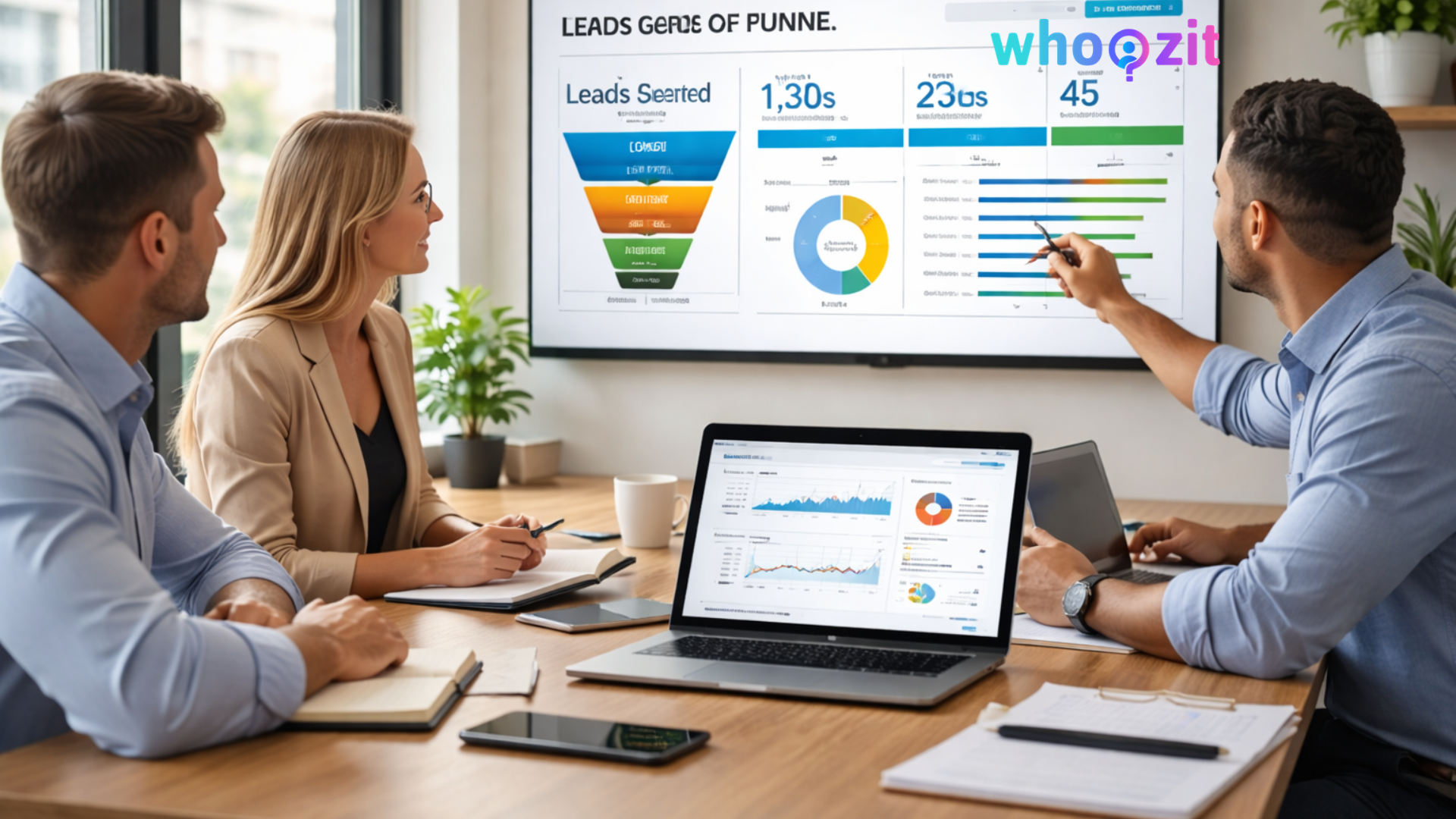
Marketing automation and CRM are essential. But automation should speed humans up, not replace them. I see teams automate before they can document a repeatable sequence. That is risky.
- CRM. Track interactions and stage changes. Use it as your single source of truth.
- Marketing automation. Use for lead scoring, nurture sequences, and triggered campaigns. Keep sequences short and relevant.
- Intent and enrichment tools. These help prioritize accounts and personalize outreach quickly.
- CDP or data layer. If you have complex touch points, a unified data layer helps you attribute sources and run better personalization.
Practical rule: document the manual process first. Get predictable results. Then automate repetitive tasks. If you automate a broken process, you only get fast failure.
Lead nurturing strategies that work.
Leads rarely convert on the first touch. Nurture sequences are where conversion happens. The goal is to stay relevant and helpful without being annoying.
- Segment your lists. Do not send the same sequence to every lead. Segment by role, industry, and behavior.
- Mix send types. Combine educational emails, short product notes, and social proof. Keep it helpful.
- Time your touches. Space messages so you follow up, but do not spam. A good cadence is one educational touch, one case study, and one product note over two weeks.
- Use progressive profiling. Ask for small pieces of information over time to reduce friction and improve personalization.
Quick example: For users who download your pricing PDF, send an email with a one minute explainer video, then follow up with a customer story from a similar company. Short and contextual beats generic follow ups.
Conversion optimization on landing pages
Traffic without conversion is noise. Conversion optimization turns visitors into leads at a higher rate, so every paid click or piece of content becomes more valuable.
- Clear headline and benefit. Tell visitors what they get in one line.
- Social proof up front. Logos, short quotes, or metrics build credibility quickly.
- One clear CTA. Remove distractions. Make the form short and relevant.
- Load speed and mobile. Many B2B buyers browse on mobile. Test that experience.
- A/B test one thing at a time. Test headlines first, then forms, then images.
Small gains add up. Improving conversion from two percent to three percent is a 50 percent lift in leads without spending more on media. I recommend focusing on micro conversions like content downloads and demo requests first.
Performance marketing for leads
We’ve covered advanced paid optimization frameworks in detail on the Whoozit Blog.Treat each campaign like an experiment with clear success criteria.
- Start with intent keywords. Search campaigns with high commercial intent usually convert better.
- Use tightly themed ad groups. Keep relevance high. That lowers cost per click and improves quality score.
- Retarget across channels. Use display and social retargeting to bring visitors back to offer pages.
- Measure cost per pipeline. Do not just chase cost per lead. Track the value of leads and optimize for pipeline contribution.
One tip I use often is to set a realistic CPA target based on conversion rate and deal size. If your target CPA is too aggressive, you will pull the wrong users into the funnel.
Align sales and marketing for a predictable pipeline
Even great lead generation fails without sales alignment. You need agreement on lead definition, follow up timing, and feedback loops.
- Agree on MQL and SQL criteria. Make them objective and measurable.
- Set SLA for follow up. Sales should respond to hot leads within a defined window. I recommend under four hours for highly qualified requests.
- Build feedback loops. Sales should share why leads did or did not convert. Use that data to change messaging and targeting.
- Joint planning. Run regular pipeline reviews and campaign debriefs together.
When marketing and sales share the same dashboard, you get faster optimization. In my experience, the teams that win are the ones that stop blaming each other and start iterating together.
Measuring what matters
Pick a few metrics and track them religiously. Too many metrics cause analysis paralysis.
- Primary metrics. SQLs per month, pipeline created, conversion rate from lead to opportunity.
- Leading metrics. MQLs, website sessions, conversion rate, and engagement rate on nurture sequences.
- Efficiency metrics. Cost per SQL, CAC for inbound and outbound, marketing sourced ARR.
Make reporting simple and actionable. A weekly dashboard with trend lines is more useful than a monthly slide deck no one reads.
Common mistakes that kill scale
Scaling fast is tempting. I have seen teams stumble on the same problems repeatedly. Here are common pitfalls to avoid.
- No ICP focus. Chasing everyone means converting no one. Get specific about who you target.
- Too many channels at once. Spread your budget across channels, and you get small, noisy results. Ramp one channel, then add the next.
- Bad lead data. Skipping enrichment and verification wastes SDR time. Validate emails and firmographics early.
- Over-automation. Sending generic sequences at scale feels robotic and lowers reply rates.
- No feedback loop. If sales do not report on lead quality, marketing will keep optimizing for the wrong signals.
A quick aside. One startup I worked with chased conference leads for months without measuring follow up. The event produced many names but zero pipeline. The fix was simple. They set SLAs, cleaned the data, and launched a short nurture sequence. Within six weeks, they had four qualified meetings.
Scaling playbooks: simple templates to try
Playbooks make scale repeatable. Here are a few templates you can copy and adapt.
1. High intent content to demo
- Create a short guide for a high intent query.
- Run a small search ad test for three keywords.
- Send ad traffic to a landing page with a one field lead form and a demo CTA.
- Nurture leads with one value email and one case study email before handing them to sales.
2. Account based outreach for enterprise accounts
- Choose 30 target accounts that match ICP.
- Find the 3 best contacts per account.
- Run a 3 touch sequence: LinkedIn connection, short value email, and calendar invite with a topical hook.
- Measure meetings booked and iterate messaging weekly.
3. Webinar funnel for product qualified leads
- Partner with a customer or market expert and promote to a segmented list.
- Use paid ads to boost registration from lookalike audiences.
- Follow up immediately with a short on-demand link and an offer to meet.
- Track attendees separately from registrants and prioritize outreach to attendees.
These playbooks are simple. They are low friction and easy to test. If you see one working, invest in scaling it.
How to prioritize tactics when resources are tight
Not every tactic deserves your time right now. Prioritize based on speed of learning and potential impact.
- Fix foundational issues: ICP, messaging, and landing page conversions.
- Test one inbound channel and one outbound channel with a small budget.
- Measure outcomes in two to four weeks and double down on what moves the needle.
- Document the wins and turn them into playbooks before scaling.
Start small and iterate. You will learn faster and waste less budget. That approach also keeps stakeholders calm because they see steady results.
Example KPI dashboard to track
Here is a simple dashboard to keep you honest. Update it weekly and use it in pipeline meetings.
- Website sessions
- Lead conversion rate
- Number of leads (by channel)
- MQLs and SQLs
- Pipeline value created
- Cost per SQL
- Closed won and ARR sourced from lead generation
As a rule of thumb, if cost per SQL climbs and conversion rate drops, pause spend and look at landing pages and targeting first.
When to bring in an external partner
Sometimes you need outside help. Bringing in the right partner can be the fastest path to scale. Use an agency or growth partner when you need:
- Faster ramp for a new channel like paid search or ABM
- Focused expertise in conversion optimization or performance marketing for leads
- Temporary capacity for campaign setup and testing
Pick a partner with B2B experience and a track record of measurable pipeline impact. Whoozit works with B2B SaaS and service businesses through structured lead generation and performance marketing programs that build predictable pipeline systems. We focus on tactical programs that link directly to the pipeline so you can see ROI quickly.
Common objections and quick responses
Teams often push back on scaling lead generation. Here are common objections and short rebuttals you can use.
- Objection: We tried paid ads, and it was expensive.
- Response: Was the landing page optimized? Did you measure cost per pipeline instead of cost per lead? Small changes often cut CPA quickly.
- Objection Outbound is intrusive.
- Response: Good outbound is relevant and targeted. Short messages and clear value lower friction. Test and iterate.
- Objection: We do not have the team to scale.
Response: Automate the repetitive parts and hire or outsource the high-skill work. Scale in stages.
A simple 90 day plan to get scalable lead generation started
Execution beats theory. If you want a practical plan, try this 90 day approach. It is focused and builds repeatability fast.
- Week 1 to 2: Define ICP, clarify the value proposition, and map the funnel.
- Week 3 to 4: Build one high-converting landing page and a short inbound campaign.
- Week 5 to 6: Launch one outbound playbook for target accounts with a 3 touch sequence.
- Week 7 to 10: Measure, refine messaging, and optimize the landing page and ad copy.
- Week 11 to 12: Document the playbooks, set SLAs with sales, and automate basic follow ups.
By the end of 90 days, you should have a small set of tested playbooks, a predictable weekly lead flow, and a plan to scale the winning channels.
Final thoughts
Scalable lead generation is not glamorous. It is steady work. It is making small improvements, testing fast, and keeping sales and marketing aligned. If you focus on the fundamentals, choose a balanced mix of inbound and outbound, and build repeatable playbooks, you will create a predictable pipeline.
In my experience, the biggest gains come from small, consistent improvements in conversion and alignment. You do not need to chase every shiny tactic. Start with a few experiments, measure the right things, and scale what works.
Frequently Asked Questions
1. What are the most effective lead generation strategies for B2B companies?
The most effective strategies combine inbound and outbound methods. SEO driven content, high intent PPC campaigns, account based outreach, and targeted cold email sequences typically generate the strongest pipeline impact when aligned with a clear ICP.
2. How long does it take to see results from scalable lead generation?
Outbound campaigns can generate meetings within weeks if targeted well. Inbound channels like SEO usually take three to six months to show consistent pipeline results. Paid campaigns can deliver faster if landing pages and targeting are optimized.
3. How do you measure if your lead generation strategy is working?
Focus on SQLs, pipeline value created, cost per SQL, and conversion rate from lead to opportunity. Cost per lead alone is misleading. Track pipeline contribution and closed won revenue to evaluate real performance.
Helpful Links & Next Steps
If you want hands on help building a scalable lead generation system, book a Meeting Today with our growth team. We will diagnose your funnel, suggest quick experiments, and outline a plan to scale a predictable pipeline.